立体作品修復部門
Object restoration
物語を紡いでいく。
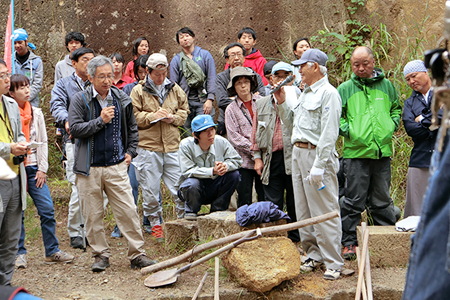
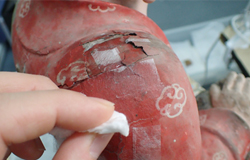
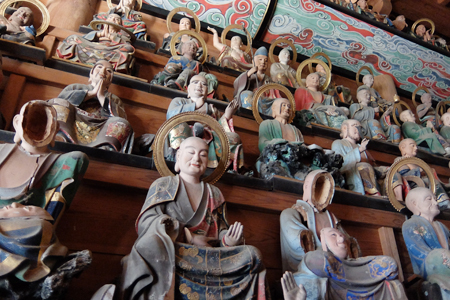
立体作品修復部門では、仏像などの礼拝対象や郷土に受け継がれている文化遺産をはじめ、美術館・博物館に保管されている近現代彫刻など、幅広い文化財を扱います。全ての文化財には、手から手へと大切に守り受け継がれ歩んできた歴史の“物語”が内包されています。修復とは、物理的な情報だけに止まらず文化財が持つ歴史的背景も含めて将来へ伝えることを指します。現在「五百羅漢修復プロジェクト」として、山形県鶴岡市・善寳寺からの委託を受け、500体を超える仏像群の修復を約20年計画で実施しています。
Weaving a Story
The Object Restoration Section handles a wide variety of cultural properties—from objects of worship such as Buddhist statues, to heritage passed down in local communities, as well as modern and contemporary sculptures preserved in art galleries and museums. Every cultural object carries its own “story”—a history of how it has been cared for and passed down over time. Restoration is not just about preserving the physical form of cultural properties, but also about transmitting their historical and cultural significance to future generations. One of our current projects is "The Five Hundred Arhat Statues Conservation Project", commissioned by Zenpōji Temple in Tsuruoka City, Yamagata Prefecture. This 20-year initiative involves the conservation of over 500 Buddhist statues.
科学の目で見る
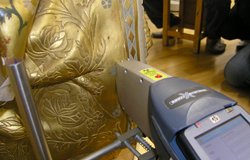
立体作品修復部門で扱う文化財は構造・材質・劣化状態が一様ではなく、分析と判断には複合的な知識が必要です。多くの調査で、保存科学部門と連携し科学的な手法で文化財を診断します。文化財の構造や材料を知り、理解し、考察を重ね、修復や保存方法を導き出していきます。
Observing and Understanding from a Scientific Perspective
The cultural properties we work with differ widely in structure, materials, and degrees of deterioration. Their conservation requires extensive knowledge and careful analysis. In many cases, we collaborate with the Conservation Science Section to examine and diagnose these objects using scientific methods. Through close investigation, we gain a deep understanding of their materials and construction, which informs the development of appropriate conservation and restoration approaches.
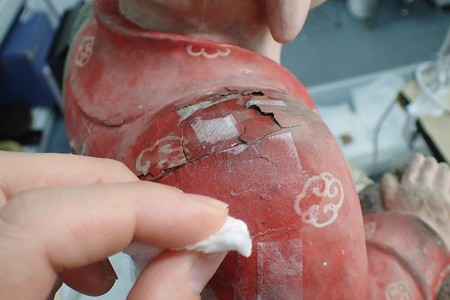
伝統を尊重しつつ、最新の知見を取り入れた修復
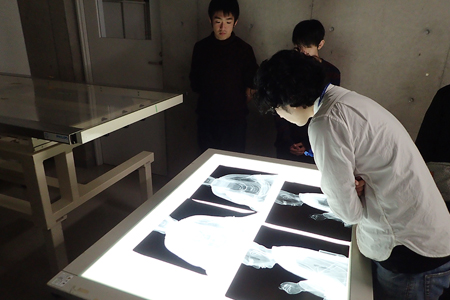
入念な調査や文化財意義の考察によって導き出した方針をもとに、慎重な検討を行ったうえで、個々の文化財に最適な修復処置を実践していきます。古典的な文化財の多くは伝統的な技術を駆使して制作されていますが、それらを修復するためには必ずしも伝統技術のみを採用するのではなく、国内外の研究成果を踏まえた先進的な手法も選択肢に入れています。
Restoration Through a Fusion of Traditional and Modern Techniques
Based on thorough investigations and a deep understanding of each object's significance, we determine and apply the most suitable restoration method for each case. While many classical cultural properties were originally created using traditional techniques, we do not rely solely on those same techniques for their restoration. When appropriate, we incorporate advanced methods informed by the latest national and international research, ensuring the highest standard of care for each object.
郷土で受け継がれた文化財
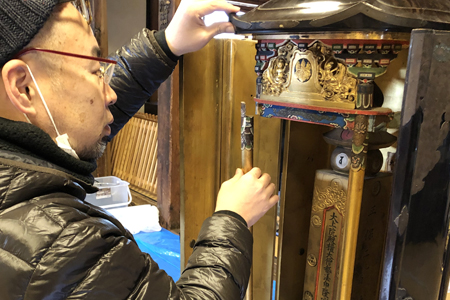
立体作品修復部門で扱う文化財は多種多様です。その歴史性・宗教性・芸術性といった多層的な意義について調査・研究をおこない、文化財が持つ複合的な価値を考察します。特にセンターでは、地域で受け継がれている文化財について日常的に管理している方々と一緒に、文化財を次世代へと伝えていくための取り組みをしています。美術館や博物館などの展示収蔵施設、他大学や研究所などの教育研究機関、地域住民、行政機関との連携し、文化財を未来へと伝えていくために、より良い保存と修復の方法を導き出すことを目指しています。
Cultural Properties in Local Communities
The cultural properties handled by our section are diverse in nature and meaning. We study and evaluate their multifaceted significance—historical, religious, artistic—and consider their complex cultural value. In particular, we work closely with the custodians of cultural properties that have been handed down within local communities. In collaboration with museums, art galleries, universities, research institutions, local governments, and residents, we strive to develop and implement better conservation practices that will ensure these cultural assets are preserved and appreciated by future generations.
西洋絵画修復部門
Western painting restoration
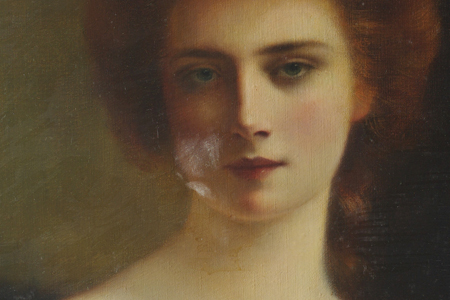
より良い状態で未来に引き継ぐ
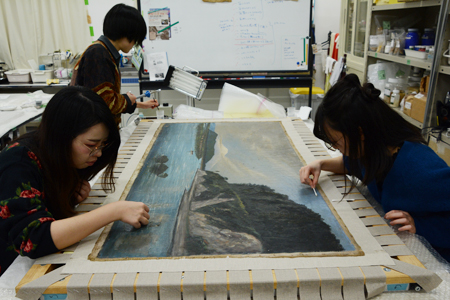
西洋絵画部門では主に油絵を取り扱っています。美術館や博物館などの公共の施設から個人の所蔵者まで幅広い層から相談を受け、作品を調査します。
損傷している作品は依頼者と綿密に話し合った上で、素材や痛み方に応じて修復処置を行います。また、現在、作品そのものには目立つような痛みがない場合でも、将来起こりうる劣化を視野に入れ、額の調整や保管・展示方法についての提案、保管環境の改善などといった、作品を取り巻く環境を整える予防的保存処置をとります。
Passing Paintings Down to the Future in Better Condition
The Western Painting Restoration Section primarily handles oil paintings. We receive inquiries and examine artworks from a wide range of clients, including public institutions such as art galleries and museums, as well as private collectors. We carefully discuss the condition of each damaged painting with the client and determine the appropriate conservation treatment based on the materials used and the degree of deterioration. Even when no visible damage is present, we implement preventive conservation measures to mitigate future deterioration. These include adjusting frames, offering advice on storage and display methods, and improving the surrounding environment.
素材を知り、作品を知る
油絵は板や布を支持体として油絵具を幾重にも重ね、ワニスで仕上げた層構造でできています。この素材の異なる層の重なりが油絵の特徴であり、損傷にも大きな影響を与えます。西洋画の修復は素材や構造を理解する所から始まります。
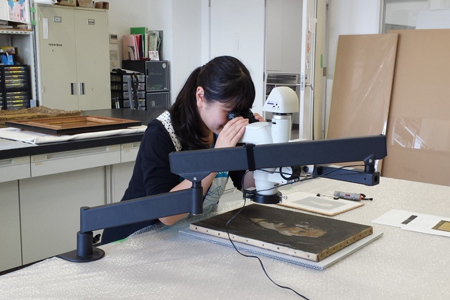
目視での調査は勿論、紫外線や赤外線などを利用した光学調査も行います。また、保存科学分野と連携しつつ、絵具の顔料分析などの科学分析調査などをおこない、画家はどのような素材や道具を用いて、どのような技法で作品を制作したのか、科学的な視点から作品を読み解いていきます。
Understanding Materials, Understanding Paintings
Oil paintings have a layered structure—multiple layers of oil-based paint are applied to a support such as wood or canvas, and finished with varnish. This multilayered composition is a defining feature of oil paintings and plays a crucial role in how they deteriorate. Conservation and restoration therefore begin with a deep understanding of their materials and structure. In addition to close visual inspection, we conduct optical examinations using ultraviolet and infrared light. We also perform scientific investigations, such as pigment analysis, in collaboration with the Conservation Science Section. Through this process, we aim to understand what materials, tools, and techniques the artists used in creating the work.
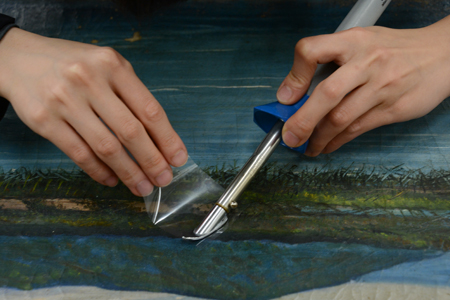
作品を守る
油絵は時とともに少しずつ痛み、絵具に亀裂や剥落が発生したり、作品表面に塗られたワニスが黄色く変色したりといった、さまざまな症状を引き起こします。痛みの原因には、保管環境や災害、作品を移動する際の取り扱いなどが関わっていますが、痛んだままにしておくと、さらに症状がひどくなってしまうこともあります。痛みの進行を食い止め、作品をよりよい状態で未来に引き継いでいくために、保存修復処置をする必要があります。
Conserving Paintings
Oil paintings naturally deteriorate over time. This can manifest in a variety of ways, such as cracking or flaking paint layers, or yellowing varnish. Contributing factors include environmental conditions, natural disasters, and improper handling during transport. Neglecting these issues can lead to worsening damage. Conservation and restoration treatments are essential to slow deterioration and to ensure that these artworks are passed down in better condition.
地域とともに歩む
西洋絵画修復部門でこれまで調査・保存修復処置をしてきた作品には、山形で活動した画家など、地域の中で活躍し人々に愛されてきた画家の作品も数多くありました。そのような作品をよりよい状態で未来へ受け渡しできるようにすること、作品所有者や関係者の方、他の専門分野などと連携しつつ、美術研究を進めることにより、地域の文化を支えていくことが、わたしたちの役目であると考えています。
Working with Local Communities
Many of the paintings we have examined, conserved, and restored were created by artists who were active in and beloved by their local communities, including those who worked in the Yamagata region. Our mission is to ensure that these culturally significant works are preserved for future generations. We carry out our research and restoration efforts in close collaboration with owners, relevant authorities, and experts from related fields, helping to support and sustain local cultural heritage.
東洋絵画修復部門
Oriental painting restoration
伝統の継承と進化する東洋絵画の修復
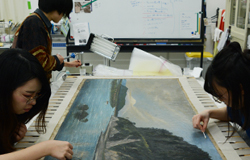
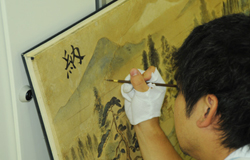
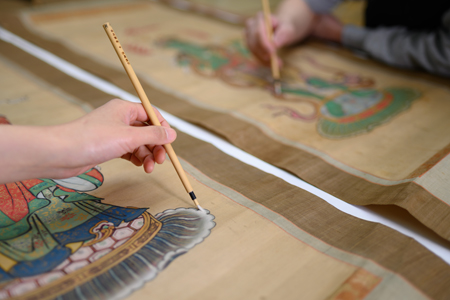
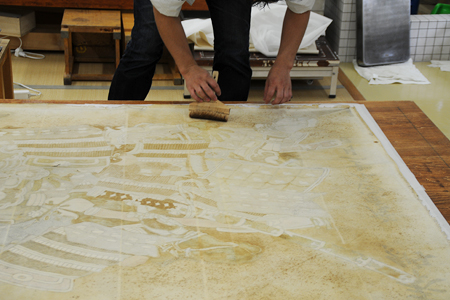
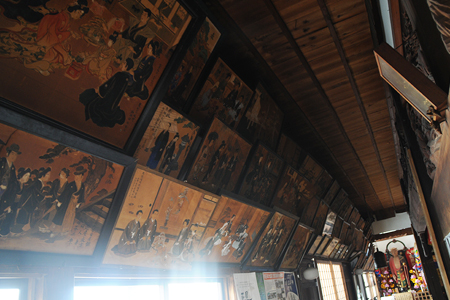
掛軸や屏風、絵馬、襖といった日本独自の絵画作品は、「表具(ひょうぐ)」や「装潢(そうこう)」と呼ばれる仕立ての技術によって、何世代にもわたり受け継がれてきました。時の流れとともに、作品は波打ちや裂け、しわなど様々な損傷を抱えます。私たちは、そうした作品を一度解体し、再び本来の姿で鑑賞できるよう修復することで、その命を未来へとつなぎます。伝統の技を忠実に継承しながら、最新の研究成果や科学的知見を融合させることで、文化財の価値を未来へと確実に引き継いでいます。私たちの修復は、過去から未来へと文化をつなぐ「架け橋」となることを目指しています。
Inheritance of Tradition and the Evolving Restoration of East Asian Paintings
The techniques of mounting paintings in forms such as hanging scrolls, folding screens, ema (votive paintings), and sliding doors are known as hyōgu or sōko. These traditional practices have allowed Japanese paintings to be restored repeatedly and passed down over generations. Artworks naturally deteriorate over time. Severely damaged pieces—such as hanging scrolls with cockling and deep creases that eventually tear the artwork, or ema whose painted surfaces have delaminated and lifted due to aging—are carefully disassembled and restored, allowing them to be hung and appreciated once again. In this way, we support the transmission of cultural heritage to future generations.
紙を知り、糊を知り、作品を守る
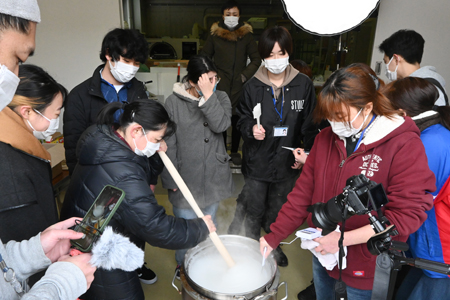
日本の修復技術の根幹には「裏打ち」と呼ばれる技法があります。糊を塗った和紙を作品の裏面に貼り、構造を補強するこの手法は、数百年にわたり絵画文化を支えてきました。使用する糊は小麦澱粉を煮て攪拌して作り、条件によって性質が微妙に変わります。なかでも冬に仕込み長期熟成させた「古糊(ふるのり)」は、掛軸修理に欠かせない存在です。和紙もまた、作品ごとに最適なものを選びます。繊維組成を分析して本紙に近い紙を用意する、薄く強靭な「薄美濃紙」を使うなど、素材への深い理解が作品を守る力になります。素材と技術、その両方への探究が、文化財修復の確かさを支えています。
Understanding Paper and Paste: Conserving Japanese Artworks
One of the key restoration techniques for Japanese paintings is "lining"—the application of Japanese paper to the back of an artwork using paste, to provide structural support. This traditional method has long played a vital role in the conservation of cultural properties. The paste is made from wheat starch and water, cooked while being stirred. Its quality depends on the starch-to-water ratio and cooking time. An essential material in scroll restoration is "aged paste," which is prepared around the coldest time of year (approximately January 20) and then matured over time to improve its properties.Japanese handmade paper (washi) is used for restoration. Sometimes, the fibers of the original artwork are analyzed to select or prepare the most suitable paper. Thin, strong types of washi, such as mino-gami, are used in conjunction with refined lining techniques. By deepening our understanding of traditional materials and mastering their application, we contribute to the long-term preservation of cultural properties.
他分野との連携による新知見の開拓
修復の現場では、思いがけない発見が数多くあります。例えば、掛軸の軸棒から過去の修復記録が見つかり、赤外線調査で隠れた技法や材料が明らかになることもあります。私たちは、こうした知見を保存科学や分析化学など他分野と共有し、新たな視点から作品を読み解きます。学際的なアプローチによって作品理解を深めることで、より適切な保存・修復へとつなげています。
Advancing Knowledge Through Interdisciplinary Collaboration
Restoration often leads to new discoveries. For example, restoration records may be found inscribed on the roller rod of a hanging scroll. Optical investigations such as infrared photography can uncover hidden techniques and materials. These findings open the door to collaboration with other disciplines—such as conservation science—and allow us to reinterpret artworks from new perspectives. Through this interdisciplinary approach, we gain a deeper understanding of an artwork’s characteristics and significance, ultimately enhancing its preservation and appreciation.
教育と普及による意識の向上
修復は、単なる「修理」ではありません。作品が持つ美術的価値を未来へと伝えると同時に、その背景や保存の重要性を広く社会へ伝えていく営みでもあります。私たちは、修復の現場で得られた知見や技術を共有し、地域や社会と共に文化財の価値を再認識していくことを大切にしています。作品が語る歴史と、地域が育んできた記憶を未来へ。日常的な保存管理や展示活用を通じて、文化を生きたかたちで継承していくことが、私たちの使命です。
Promoting Awareness Through Education and Outreach
We believe that the Institute should play a role—even if modest—in promoting awareness and understanding of cultural heritage conservation and restoration. Beyond restoring the artistic value of individual artworks, we aim to contribute to the broader conservation efforts of local communities. By sharing knowledge gained through research and restoration, we help foster a deeper appreciation of artworks and their historical context. Respecting both the history of each piece and its connection to the local community, we strive to ensure their preservation through daily care, proper management, and thoughtful exhibition.
保存科学部門
Conservation science
保存科学からの新たな発見と修復のサポート
保存科学部門は文化財の自然科学的な調査・分析を担っており、各修復研究室が必要とする構造・材質、劣化状態・要因、保存環境等に関する情報を提供、支援しています。現在の保存修復では科学的な手法で文化財を診断することが重要視されています。使用されている材料・構造など製作技法や、具体的な劣化の状態とその要因を明らかにすることで適切な処置方法を判断し、保管環境を整えていくのです。当センターの保存科学部門には多様な文化財に対応すべくコンピュータ断層撮影装置(CT)や高精細デジタルマイクロスコープ、X線回折分析装置など様々な機器を設置しています。
New Discoveries and Supporting Restoration from a Scientific Perspective
The Conservation Science Section is responsible for the scientific research and analysis of cultural properties, supporting the other restoration sections by providing essential information—such as materials and structure, the degree and causes of deterioration, and environmental conditions. In modern conservation and restoration, scientific diagnostics are considered crucial. Understanding the materials, structural composition, and manufacturing techniques, as well as identifying the current condition and causes of damage, enables conservators to determine appropriate treatment methods and to improve the storage environment. The Institute’s Conservation Science Section is equipped with a range of advanced instruments, including computed tomography (CT), high-resolution digital microscopes, and an X-ray diffractometer (XRD), allowing for the investigation of a wide variety of cultural properties.
考古資料の保存処理
保存科学部門は発掘調査によって出土した木製品や金属製品など考古遺物の保存処理受託業務も実施しています。土中にあった遺物は発掘されることで急激な環境変化を受け、加速的に劣化し始めます。例えば、出土木製品は長く土中に埋もれている間に木材成分が流失し、代わって過剰な水分を含み、弱く脆くなっています。発掘後、放置しておくと水分が蒸発して原形をとどめないまでに変形してしまいます。これを防ぐために、含まれている過剰な水分を安定する物質に置き換える処置を施します。これまで世界的に広く普及しているのはポリエチレングリコール(PEG)を含浸して固める方法ですが、当センターではトレハロースという糖を使用する方法を研究、実施しています。トレハロース法により、布製品や革製品など従来の方法では対応できなかった広範な材質、状態の遺物の保存処理が可能になりました。金属製品の場合、土中では水分や塩類等の影響を受けて比較的ゆっくりと腐食します。しかし、出土後は酸素の影響が加わり、加速度的に劣化を進行させます。これを防ぐために脱塩処理や防錆・強化処置を行います。こうした保存処理は貴重な考古資料を長く後世に伝えるために必要ですが、永遠の命を吹き込むわけではありません。管理中の観察を怠らず、変化が見られたら原因を究明し、継続的に対処することが重要です。
Conservation Treatment of Archaeological Objects
Our Section also conducts conservation treatment of archaeological artifacts—such as wooden and metal objects excavated from archaeological sites—on a commissioned basis. Once excavated, artifacts are exposed to sudden environmental changes, which can cause rapid deterioration. Wooden objects, for instance, often lose their original wood components during long-term burial and become waterlogged. Without treatment, evaporation of this moisture after excavation can lead to severe deformation, making it impossible to preserve their original form. To prevent such damage, the excess moisture in the wood is replaced with a stable substance. Polyethylene glycol (PEG) impregnation has traditionally been used worldwide for this purpose. However, the Institute has developed and applied an alternative method using trehalose, a type of sugar. Trehalose treatment enables the conservation of materials previously difficult to preserve using conventional methods, such as textiles and leather artifacts. Metal objects, on the other hand, corrode slowly underground due to the presence of moisture and salts. After excavation, however, exposure to oxygen accelerates corrosion. To stabilize them, desalination, anti-corrosion, and reinforcement treatments are applied. Although conservation treatment significantly extends the life of archaeological objects, it does not make them impervious to time. Continuous monitoring is essential, and any observed changes must be thoroughly investigated and addressed over the long term.
循環型の活用システム
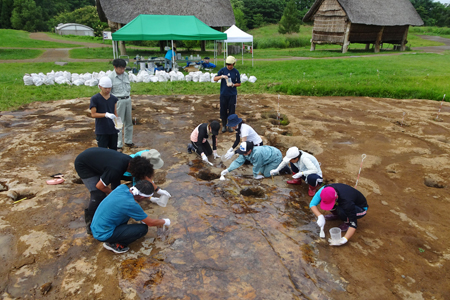
「文化遺産の保存・活用」というテーマのもと、地域に寄り添った文化財の保存・活用を基軸に、地域貢献を重要課題とし、公開を前提にした修復技術を創出してまいります。
既に地域にあり、現在まで注目されてこなかった潜在的な文化財を再発見し、地域の中での意味や関係性を考察することで、文化財そのものの価値だけでなく地域によって継承されてきた歴史を明るみに出し、より活性化を図ることを目指しています。
さらに、保存と活用を地域住民とともに実施し、その結果を地域に還元するという「循環型」の保存活動システムの構築を目指しています。
A Circular System of Conservation and Utilization
Under the theme of “Conservation and Utilization of Cultural Heritage,” we view our contribution to local communities as a central mission. Our goal is to develop restoration techniques that assume cultural properties will be accessible and visible to the public. By rediscovering overlooked cultural properties already existing in local regions and reconsidering their significance and role within the community, we can uncover not only the intrinsic value of the objects themselves but also the historical and cultural narratives passed down through generations. We believe this process contributes to the revitalization of local communities. Ultimately, we aim to establish a circular system in which conservation and utilization efforts are carried out in partnership with local residents, and the resulting benefits are shared and reinvested back into the communities.
歴史・考古部門
History and archelogy
先人の思いを橋渡しする
先人たちの暮らしの歩みを示す遺跡は、私たちの身近なところに数多く存在しています。
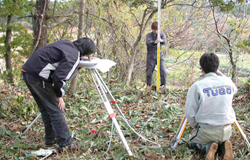
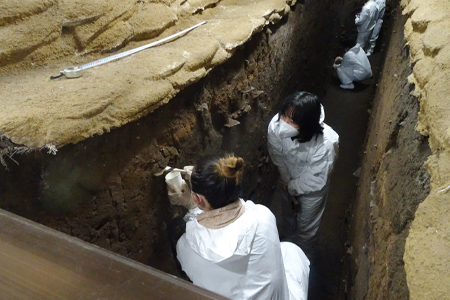
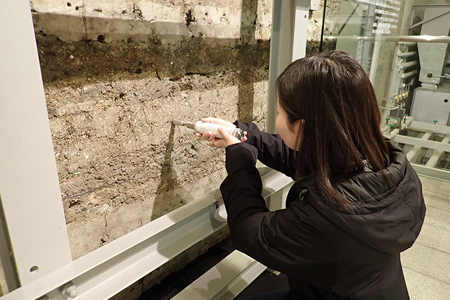
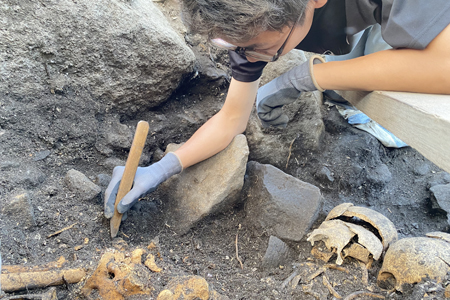
遺跡はその土地が歩んできた歴史を記憶する場所です。歴史・考古部門では自治体と連携して発掘調査等を行い、地下にある遺跡の内容及び価値を明らかにします。また、保存科学部門とともに発掘された遺構の一部切り取りや土層転写、脆弱遺物の取り上げを行い、これを保存して本物の迫力を未来に伝えます。
Building a Bridge — Passing Down the Thoughts of Our Ancestors to Future Generations
Our surroundings are filled with archaeological sites that tell the story of how our ancestors lived. These sites are repositories of the land’s history. The History and Archaeology Section conducts excavations and research in cooperation with local authorities to uncover the significance and value of archaeological sites buried underground. In collaboration with the Conservation Science Section, excavated remains are partially sectioned, stratigraphy is recorded, and fragile artifacts are carefully removed. These finds are then conserved so that their authenticity and historical importance can be passed on to future generations.
土地の記憶をよみがえらせる
地下に埋もれた文化財は、一度発掘してしまうと過去を復元するための情報が永久に失われてしまいます。そこで遺跡は発掘せずに現状のまま末永く伝えることが最良の保存方法といえます。しかし、遺跡は発掘調査することで、その土地で起こった過去の歴史を鮮やかによみがえらせてくれます。また、これを後世に保存していくためには、分布範囲や部分的な試掘によりその内容を正確に知る必要があります。
Reviving the Memory of the Land
Once buried cultural properties are excavated, some of the information needed to reconstruct the past is inevitably lost. For this reason, the best way to preserve archaeological sites is often to leave them untouched and pass them down in their current state. However, excavation and research also play an important role in vividly reviving the past—the story of the land and its people. To ensure proper conservation for the future, it is essential to accurately understand the content of these sites through distribution surveys and trial excavations.
人の営みへの探求
考古学の研究では発掘調査で見つかった出土品を整理し、資料の分析を行います。
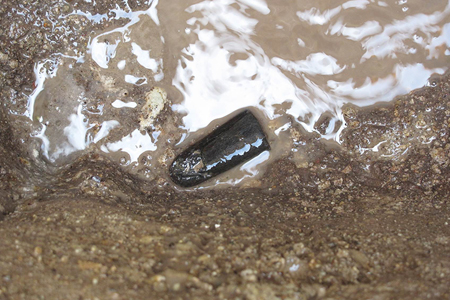
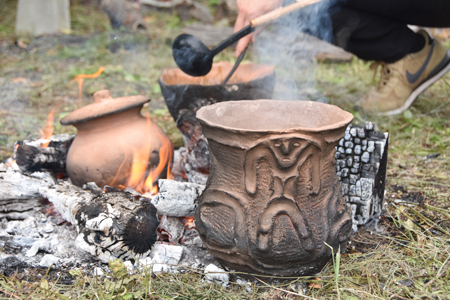
土器や石器、骨角器、木製品などの道具類は過去の人々の生活を復元できる重要な資料です。また、貝塚や低湿地遺跡から出土した魚介類や植物の種類を特定することは、食料や調理方法がわかるだけではなく、当時の自然環境を知る手がかりになります。さらには各時代の自然環境や社会環境の変化と人類の適応過程の解明につながるのです。
Exploring Human Activity
Archaeological research involves sorting and analyzing excavated artifacts. Items such as earthenware, stone tools, bone and horn implements, and wooden objects are vital clues for reconstructing the daily lives of past people. In addition, identifying fish, shellfish, and plant remains from shell mounds and wetland sites provides insights not only into ancient diets and cooking methods, but also into the natural environment of the time. These findings help us understand how the natural and social environment evolved and how people adapted to those changes.
土地の記憶を未来につなぐ
地上にある文化財の研究では、長い暮らしのあゆみが作り上げてきた歴史的風致や町並み景観について調査し、その個性・魅力を地域づくりの資源として生かすことを提案しています。山形県高畠町では住民とともに江戸期以来連綿と続く、凝灰岩の手掘り採掘技術を調査・記録し、それら製品が蓄積する個性的な景観と暮らしの知恵を明らかにしました。成果の普及のために毎年石工サミットを開催しています。自らの町の来歴と特色ある景観を再発見し、これを地域資源として新たなまちづくりに活かしていきます。
Connecting the Memory of the Land to the Future
For above-ground cultural properties, we conduct research on historical features and townscapes shaped by centuries of human activity, and propose ways to utilize their unique character as resources for local development. For example, in Takahata Town, Yamagata Prefecture, we conducted research and documentation in collaboration with local residents on traditional hand-quarrying techniques for tuff that have been practiced since the Edo period. Through this work, we clarified the unique landscapes and everyday knowledge embedded in the resulting products. Our aim is to rediscover the history and distinctive townscape of each place, and to use this cultural heritage as a foundation for building future communities.